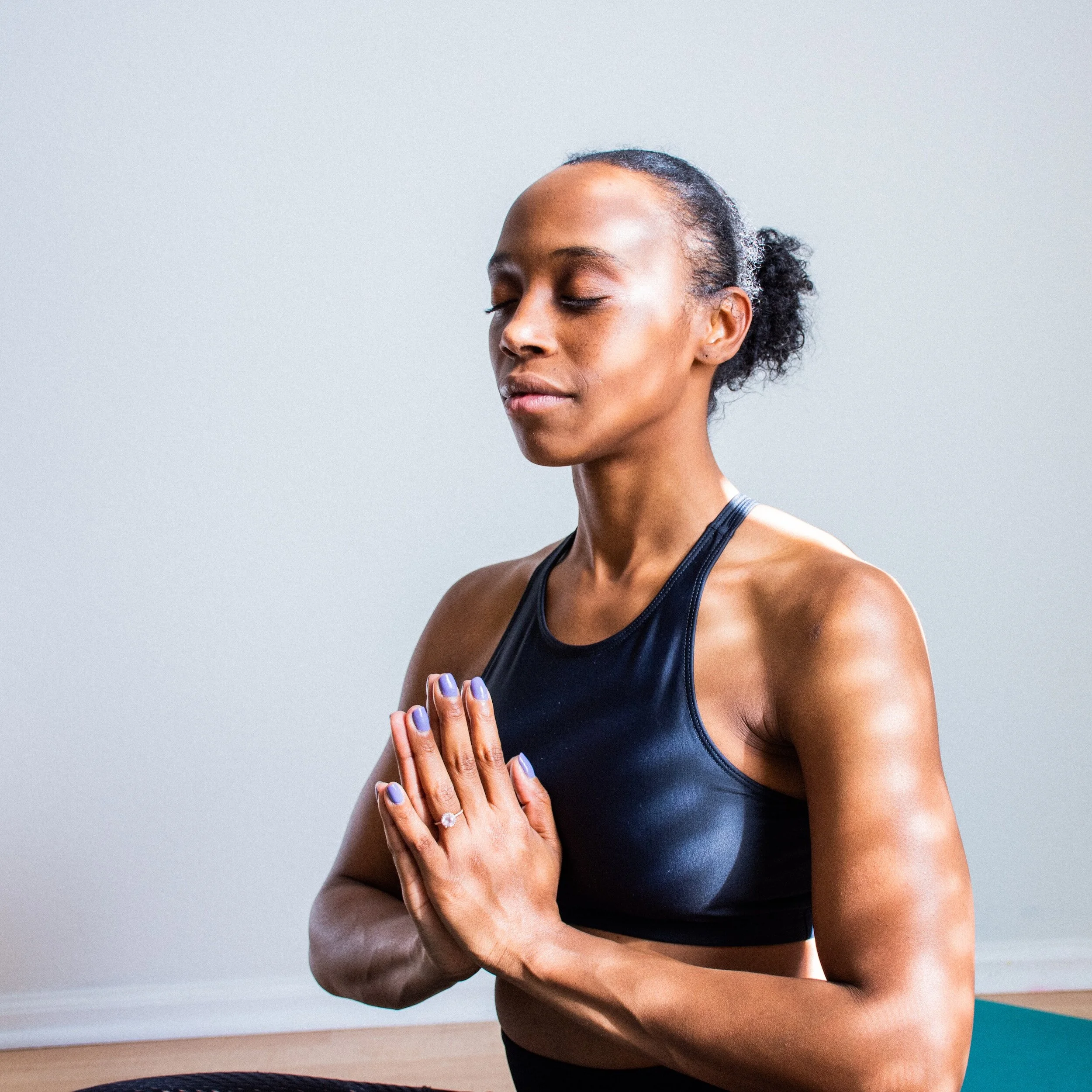
Stress Less.
Stress is a normal response to challenging or demanding situations. In the short term, it can help your body respond to what is happening around you. When stress continues for longer periods, however, you may notice changes in sleep, concentration, muscular tension, energy and the way you feel day to day.
Understanding how your nervous system responds to stress — and having practical ways to help your body settle afterwards — can be useful for supporting your general wellbeing. Below, I share ten simple strategies that may help you slow down, reduce physical tension and create more space for recovery.
How Stress Affects Your Nervous System
Your nervous system helps your body respond to changes in your environment. During stressful situations, the sympathetic nervous system contributes to the familiar "fight or flight" response, preparing your body to act. When the stressful situation passes, other processes — often described as "rest and digest" — help the body settle again.
Everyone responds to stress differently. Ongoing stress may be associated with physical and emotional changes such as muscular tension, headaches, difficulty sleeping, tiredness, difficulty concentrating or feeling irritable or overwhelmed.
What Are the Signs of a Healthy Nervous System?
There isn't one simple test you can use at home to determine whether your nervous system is "healthy". Your nervous system is complex, and symptoms should always be considered in their proper clinical context.
From an everyday wellbeing perspective, a body that is coping well with normal demands may be better able to settle after a stressful situation, maintain reasonably consistent sleep, concentrate when needed and recover after physical activity. Breathing and muscular tension may also settle as the immediate stress response passes.
These are general observations rather than diagnostic signs. Changes that are persistent, unexplained or concerning should be discussed with an appropriate healthcare professional.
Signs stress may be affecting how you feel
- Difficulty switching off or relaxing
- Changes in sleep
- Persistent muscular tension
- Headaches
- Feeling exhausted
- Difficulty concentrating
- Feeling irritable or overwhelmed
- Changes in appetite
Occasional stress is part of normal life. If these concerns are persistent, significantly affecting daily life or becoming difficult to manage, speaking with your GP or an appropriate mental-health professional is recommended.
10 Ways to Calm Your Nervous System
1. Slow Your Breathing
Stress can change the way you breathe, making breathing faster or shallower. Taking a few minutes to slow your breathing may help you feel calmer and reduce physical tension. Try breathing gently and comfortably rather than forcing unusually deep breaths.
2. Move Your Body
Regular physical activity can support both physical and mental wellbeing and may help reduce feelings of stress. This could be as simple as walking, swimming, stretching or another form of movement that suits your health and ability.
3. Prioritise Sleep
Sleep and stress can influence one another. A consistent bedtime routine, reducing stimulation before bed and creating a comfortable, sleep-friendly environment may help support better sleep and recovery.
4. Practise Mindfulness or Meditation
Mindfulness involves bringing your attention to the present moment rather than becoming caught up in stressful thoughts. Meditation, mindfulness or simply taking several quiet minutes during the day may help some people feel more settled and focused.
5. Release Physical Tension
Stretching, yoga or progressive muscle relaxation can help with relieving physical tension and becoming more aware of where you are holding it. Gentle movement may also be useful after long periods of sitting or demanding work.
6. Eat Regular, Balanced Meals
Regular meals, adequate hydration and a balanced diet support general health and wellbeing. Try to avoid relying on alcohol or excessive caffeine as a way of coping with stress.
7. Spend Time With People You Trust
Connection with friends, family or other supportive people can make stressful periods feel more manageable. Even something simple such as walking or having a conversation with someone you trust can create useful space away from everyday pressures.
8. Write Things Down
Journaling, writing a list or breaking a large problem into smaller steps can reduce the feeling of having everything competing for your attention at once. Find an approach that helps you organise your thoughts rather than adding another task to your day.
9. Make Time for Enjoyable Activities
Creative activities, time outdoors, music, hobbies or other enjoyable experiences can provide a valuable break from ongoing demands. The activity itself matters less than finding something that genuinely helps you slow down and reset.
10. Know When to Seek Professional Support
Sometimes self-care isn't enough. If stress is persistent, overwhelming or significantly affecting your sleep, work, relationships or everyday functioning, speak with your GP or an appropriate mental-health professional — such as a psychologist, counsellor or social worker — about options like therapy or counselling.
Where Chiropractic Care May Fit
Chiropractic care does not diagnose or treat stress, anxiety or mental-health conditions.
However, periods of stress can sometimes occur alongside physical concerns such as muscular tension, postural strain, stiffness or musculoskeletal discomfort. Where these physical concerns are present, I can assess your individual presentation and discuss whether chiropractic care for nervous system support or other musculoskeletal care may be appropriate.
Care recommendations are tailored to your individual presentation following a thorough assessment. Chiropractic care works alongside other healthcare services, and referral to another practitioner may be recommended where appropriate.
Frequently Asked Questions
What are signs of a healthy nervous system?
There is no single at-home measure of a "healthy" nervous system. In everyday life, being able to settle after normal stress, sleep reasonably consistently, concentrate and recover after physical activity can be useful general wellbeing indicators. Persistent or unexplained symptoms should be assessed by an appropriate healthcare professional.
What helps calm your nervous system?
Different approaches work for different people. Slow breathing, physical activity, adequate sleep, mindfulness, relaxation techniques, social connection and enjoyable activities can all form part of managing everyday stress.
How long does it take to feel calmer after stress?
There is no set timeframe. It depends on the situation, the individual and whether the stress is short-lived or ongoing. If you continue to feel overwhelmed or unable to manage your stress, speak with your GP or an appropriate mental-health professional.
Can chiropractic care treat stress or anxiety?
No. Chiropractic care should not be presented as a treatment for stress, anxiety or other mental-health conditions. Hannah may assess musculoskeletal concerns such as muscular tension, stiffness or postural strain that occur alongside periods of stress, where this is clinically appropriate.
When should I seek professional help for stress?
Consider speaking with your GP or a mental-health professional if stress is persistent, feels overwhelming or is significantly affecting sleep, work, relationships or normal daily activities. Seek urgent help if you are concerned about your immediate safety or the safety of somebody else.
A Practical Approach to Everyday Stress
Stress is a normal part of life, but having simple strategies to help you slow down and recover can make stressful periods easier to manage. Start with approaches that feel realistic for you — whether that's slowing your breathing, moving regularly, prioritising sleep or making more time for supportive people and activities.
And remember, persistent or overwhelming stress deserves appropriate professional support. You don't need to manage everything alone. You can also read more about stress, anxiety and the nervous system.
Sources & Further Reading
Ready to Start Your Wellness Journey?
Hannah Leung, Chiropractor, provides personalised chiropractic care in Balgowlah based on each patient's individual musculoskeletal presentation.