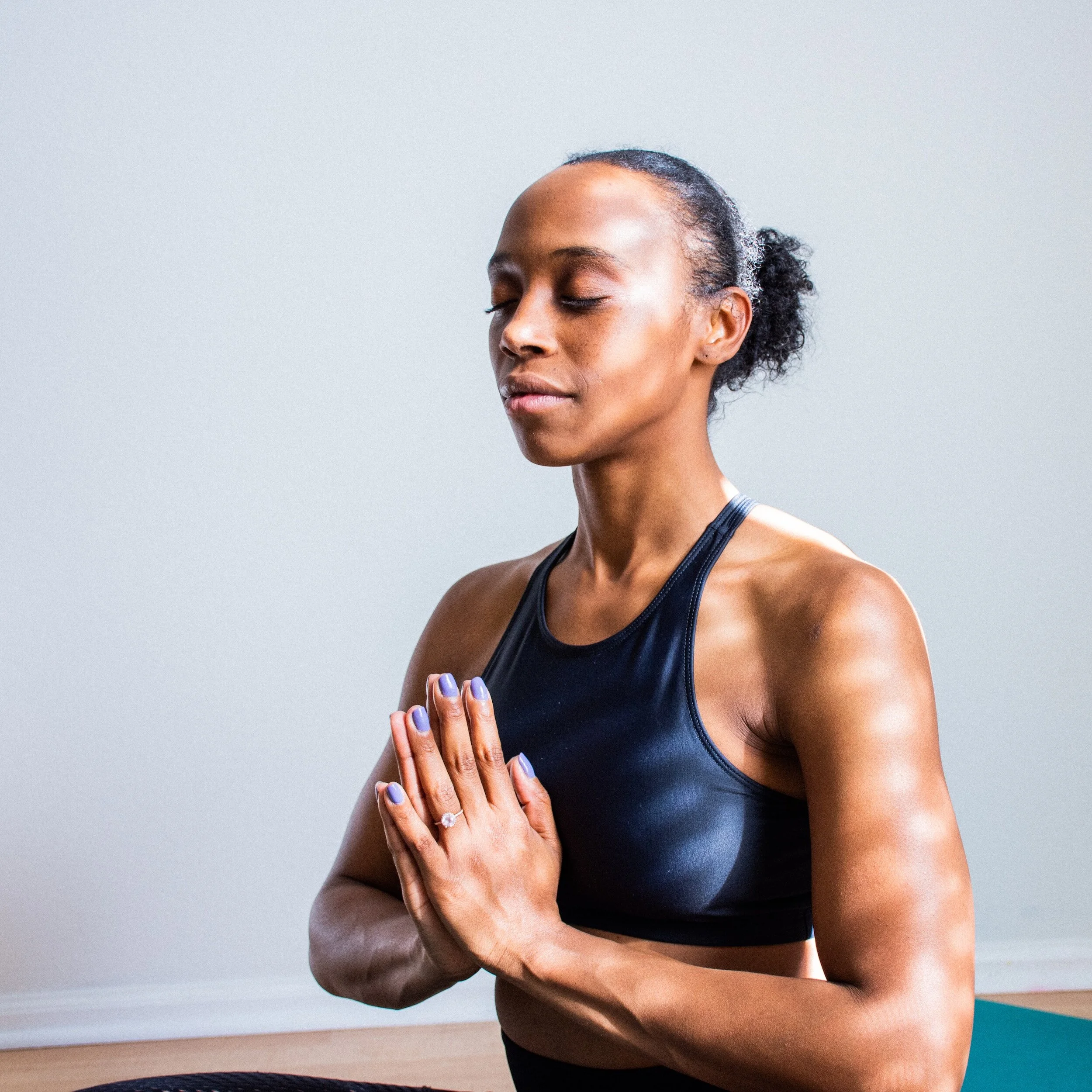
10 Ways to Calm Your Nervous System
Practical, everyday strategies for settling a stressed nervous system.
Read ArticleUnderstanding how stress and anxiety can affect the body, and how chiropractic care may support physical comfort alongside appropriate mental-health care.
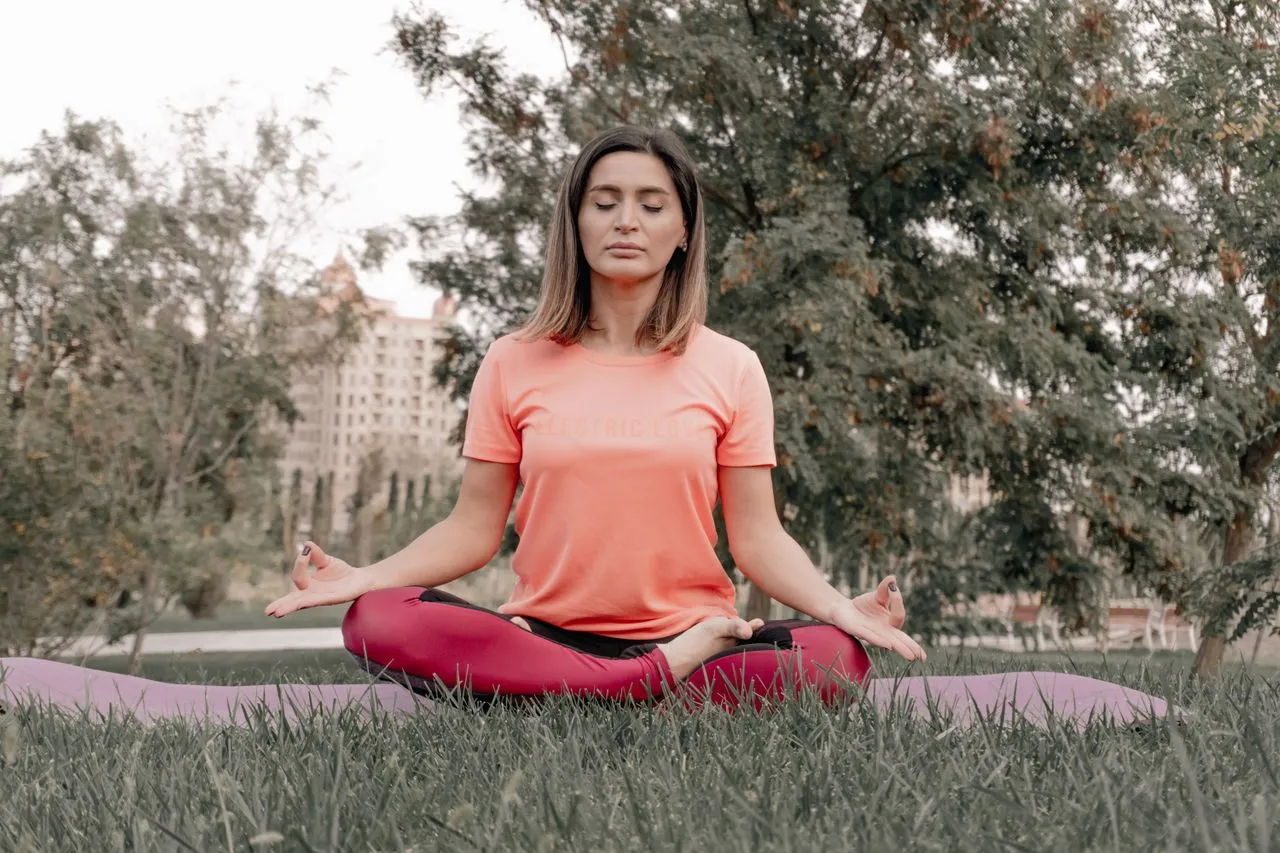
Anxiety can affect far more than your thoughts and emotions. Ongoing stress may also be accompanied by muscle tension, disrupted sleep, changes in breathing, jaw clenching and a persistent feeling of being physically “on edge”.
Chiropractic care does not diagnose or treat anxiety. At Luminance Health in Balgowlah, Hannah’s role is to assess the physical concerns that may occur alongside stress and provide individualised chiropractic support where appropriate.
Your nervous system is constantly gathering information from your body and surroundings. It helps you respond to changes, recognise potential threats and adapt to the demands of daily life.
When stress becomes persistent, some people notice physical changes as well as emotional symptoms. These may include:
These physical symptoms do not necessarily cause anxiety, and they may also have other explanations. However, they can occur alongside anxiety and contribute to an increased sense of physical strain.
Healthdirect advises speaking with a GP or mental-health professional when anxiety is affecting everyday life.
The autonomic nervous system helps regulate many processes that happen without conscious effort, including breathing, heart rate and digestion.
It is commonly described through two interconnected branches.
Often associated with the “fight or flight” response, this system helps the body respond to perceived demands or threats.
During periods of heightened stress, people may notice changes such as:
Often described as the “rest and digest” system, this branch is involved in processes associated with recovery, digestion and rest.
Both branches are necessary. The aim is not to eliminate the stress response, but to allow the body to adapt appropriately and return to a more settled state when the immediate demand has passed.
Research has explored whether spinal and manual care influence measures of autonomic activity. Current findings remain mixed and uncertain, so chiropractic care should not be promoted as a treatment that directly changes anxiety or autonomic regulation.
At Luminance Health, chiropractic care focuses on the musculoskeletal and physical concerns that may occur alongside ongoing stress.
Hannah may assess:
Care may include gentle chiropractic techniques, supported positioning, soft-tissue approaches and practical movement guidance, depending on the findings of the individual assessment.
The purpose is not to treat anxiety itself. It is to identify physical concerns that may be affecting comfort, movement and general wellbeing.

Assessing muscular tightness through areas such as the shoulders, neck, jaw and back.
Reviewing how posture, joint movement and daily habits may be contributing to physical strain.
Helping patients become more aware of physical patterns such as bracing, shallow breathing or jaw clenching.
Recognising when care should work alongside—or be referred to—a GP, psychologist or another qualified health professional.
Anxiety and ongoing stress rarely have one simple contributing factor.
A broader assessment may consider physical or lifestyle factors such as:
Hannah’s whole-body approach is designed to understand how these factors may be interacting rather than focusing on a single isolated symptom.
This does not mean chiropractic care addresses every contributing factor. Where another form of care is more appropriate, Hannah may recommend working with another healthcare professional.

Chiropractic care should be considered one possible part of a broader support plan—not an alternative to appropriate mental-health treatment.
Depending on the individual, the wider healthcare team may include:
If anxiety is interfering with everyday life, relationships, sleep or work, professional mental-health support should be sought.
Chiropractic care may complement this broader approach when physical symptoms such as muscle tension, neck discomfort, jaw tightness or movement restrictions are also present.
Luminance Health provides personalised chiropractic care from its clinic at Level 1, 357 Sydney Road in Balgowlah.
Hannah welcomes patients from across the Lower Northern Beaches, including:
Balgowlah · North Balgowlah · Balgowlah Heights · Fairlight · Seaforth · Clontarf · Manly Vale · Manly · Freshwater
The clinic is positioned near the Balgowlah local centre and within easy reach of North Harbour Reserve on Condamine Street.
Every person is assessed individually before care is recommended. Where symptoms require medical or mental-health assessment, Hannah may recommend speaking with your GP or another appropriate practitioner.
Personalised chiropractic care focused on physical function, posture, movement and the broader nervous-system context.
Learn MoreA gentle mind-body technique used as part of Hannah’s wider holistic approach to stress-related patterns.
Learn MoreAssessment and care for jaw tension, clenching, neck mobility and related physical concerns.
Learn MorePractical, everyday strategies for settling a stressed nervous system.
Read Article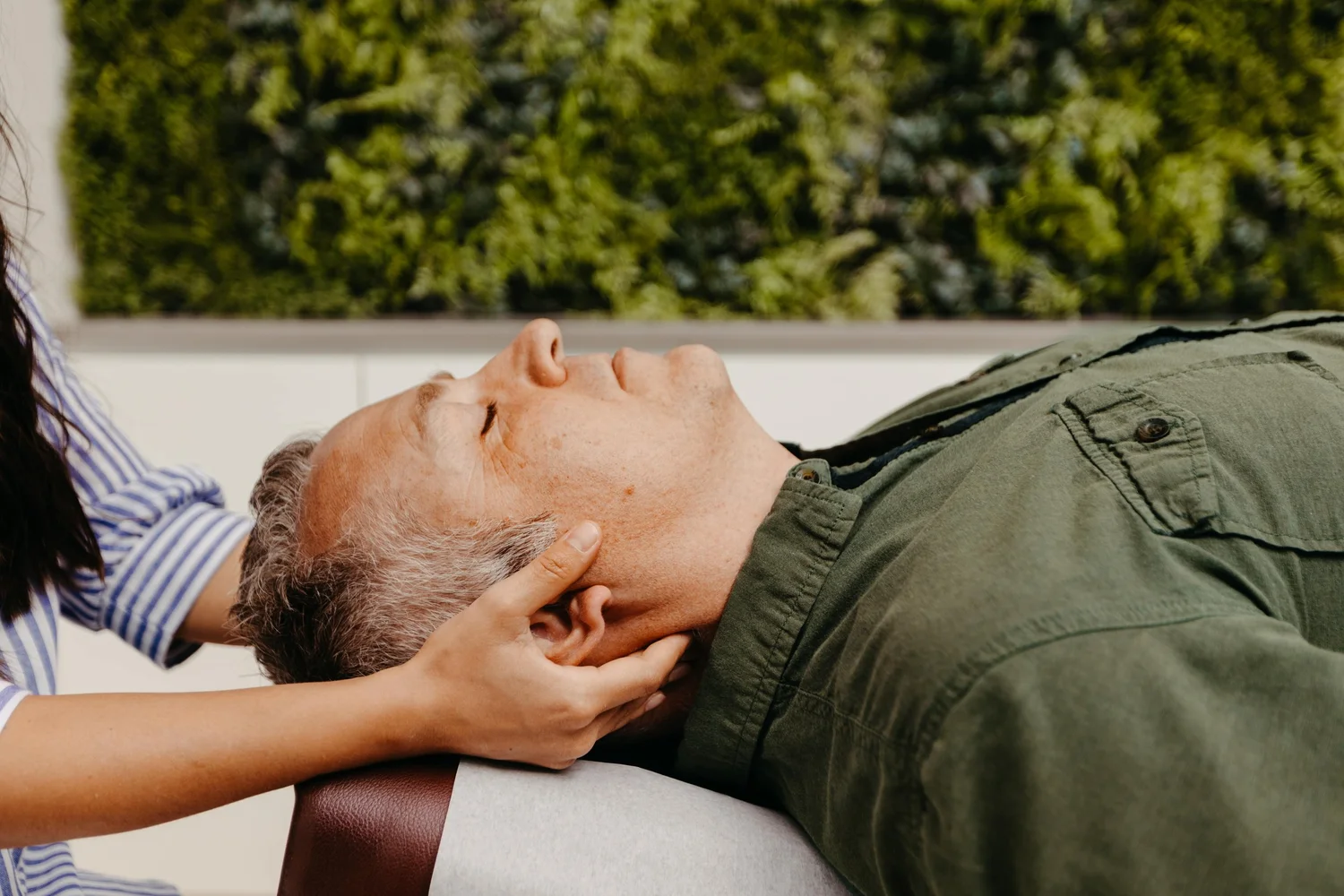
How the spine, nerves and whole-body function are connected.
Read Article
A whole-body view of chiropractic care beyond short-term pain relief.
Read Article
Hannah Leung
Chiropractor · Luminance Health, Balgowlah
Written with clinical input from Hannah Leung, Chiropractor. Hannah takes a gentle, whole-body approach to chiropractic care, assessing how posture, movement and physical tension affect everyday comfort. More about Hannah.
Published: 3 August 2026 · Last reviewed: August 2026
This article provides general information and does not replace medical or mental-health advice, diagnosis or treatment.
If ongoing stress is accompanied by neck tension, jaw discomfort, muscular tightness or movement concerns, Hannah can assess how your body is functioning and discuss whether chiropractic care may be appropriate.